

Learning Through Research
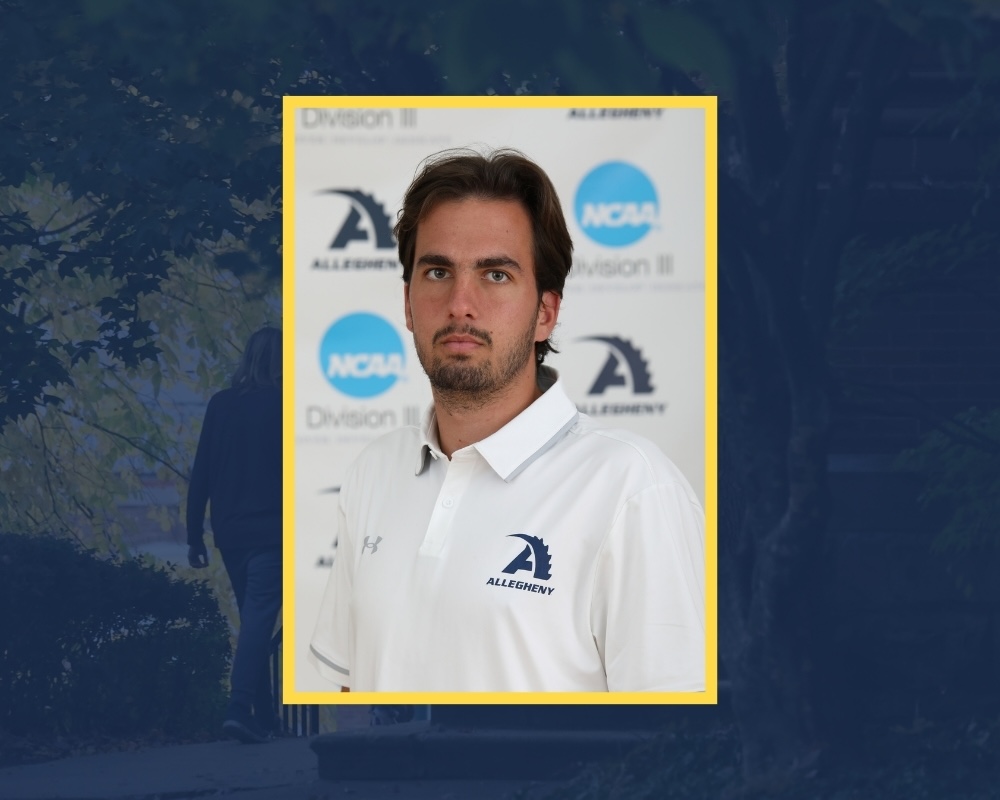
Writing code isn’t always perfect. That’s why Benedek Kaibas ’26, a double major in computer science and economics, is thinking outside of the box.
As a student, Kaibas’ research focused on static analysis tools, type checkers in the Python programming language, that automatically catch errors in code made by humans and artificial intelligence. While learning about their properties, a question emerged: who, or what, checks the checkers?
Answering this question would become his Senior Comprehensive Project, and subsequently would earn a best-in-class distinction from the computer science department.
He credits his advisor, Gregory Kapfhammer, associate professor of computer and information science, for supporting him along the way.
Professor Kapfhammer had the biggest impact on me. He is an incredible teacher, but more than that, he is a genuinely great person,” Kaibas notes. “He taught me a lot of important computer science concepts, but what stood out most was how he pushed me to actually think like a computer scientist. He constantly pushed me out of my comfort zone, but in a way where I could just tell he truly wanted the best for me.
Kaibas released what he learned through his research on the open-source platform, GitHub, gathering real-time feedback. Kaibas continues to improve upon his findings to make it faster and more accessible for Python programmers across every major operating system.
Curiosity Meets Career
With Kapfhammer’s support, Kaibas was also able to contact Meta employees and present his Senior Comprehensive Project findings to them for the betterment of their code.
“Benedek is an incredibly strong student who is also committed to helping others succeed,” Kapfhammer says. “For instance, this semester he volunteered his time to attend every class of the Junior Seminar, so that he could mentor all the juniors about research in computer and information science.”
Kaibas says open source projects, like his Senior Comprehensive Project, helped him stand out when he was applying for internships and while undergoing the rigorous selection process for Google Summer of Code — a global program that develops software with the guidance of world-class mentors. Through it, he will be working with three mentors: two who currently work for Apple and another developer at JetBrains to develop his skillset.
Kaibas was also part of the men’s tennis team as a student, which won four consecutive Presidents’ Athletic Conference Championships. After graduation, Kaibas hopes to earn his master’s degree from Eötvös Loránd University in Hungary to further research programming languages.
“I would like to thank all my professors at Allegheny, especially those in the computer science and economics departments, as well as my tennis coaches, teammates, and every student who pushed me to work harder each day,” Kaibas says. “Allegheny has given me so much, and I genuinely hope that one day I will be able to give at least some of that back to this wonderful community.”
Study Computer Science at Allegheny Study Economics at Allegheny