

Life Design Office
Through coaching, reflective activities, workshops, micro-communities, and campus partnerships, students develop the self-awareness, relationships, habits, and decision-making skills needed to navigate college, make intentional choices, and continue designing their lives.
Our Mission and Vision
Mission
The Life Design Office at Allegheny College exists to guide students in crafting intentional lives of purpose, growth, and connection. We honor the fullness of each student’s journey — including their cultural backgrounds, spiritual beliefs, and religious traditions — as sources of strength, clarity, and direction. By fostering a welcoming environment rooted in access, belonging, and authentic expression, we support students in aligning their values, identities, and aspirations with meaningful academic, personal, and professional pathways. Through holistic mentorship and reflective programming, we help students design lives that are not only successful — but deeply fulfilling.
Vision
We envision an Allegheny community where students develop a deeper understanding of who they are, recognize possibilities for their lives, and feel prepared to navigate uncertainty. Students will leave Allegheny with the confidence and skills to make intentional decisions, adapt as life changes, and continue designing fulfilling lives.
Our Approach
Life Design recognizes that students bring their identities, experiences, cultures, beliefs, and perspectives to the process of discovering what matters to them and how they want to live.
One-on-One Life Coaching
One-on-One Life Design Coaching provides a supportive space for students to explore who they are, what matters to them, and the possibilities they are considering. Through conversation and reflection, Life Design staff help students think through decisions and challenges, identify possible next steps, learn from their experiences, and connect with campus resources and opportunities that support their continued growth.
Ready to explore what’s next? Schedule a one-on-one Life Design Coaching conversation with a member of the Life Design team.
Life Design Lab
Located on the third floor of the Campus Center, the Life Design Lab is a welcoming space for students to reflect, connect, create, explore possibilities, and simply spend time. Students can use the Lab for individual reflection, studying, informal conversation, creative activities, and connection with Life Design staff and other students. The Lab also hosts programs and experiences designed to encourage curiosity, community, connection, and belonging.
Purpose, Goals, and Outcomes
College is more than earning a degree. It is an opportunity for students to explore who they are, challenge assumptions, consider possibilities, and develop greater confidence in navigating their lives.
Life Design provides students with the structure, relationships, resources, and experiences to connect what they have learned from their experiences with the choices they make today and the possibilities they envision for the future. Students learn to reflect, take ownership of their decisions, explore new possibilities, and use their experiences as information for making intentional choices and moving forward.
The Life Design Office seeks to:
- Help students develop greater self-awareness by exploring their identities, values, strengths, interests, experiences, relationships, sense of belonging, and purpose.
- Encourage students to approach uncertainty with curiosity, imagine multiple possibilities for their lives, and recognize that there is rarely one right path.
- Provide opportunities for students to move possibilities into action through experimentation, experiences, reflection, feedback, and relationship-building.
- Help students use their experiences, including setbacks and unexpected outcomes, as information for learning, adaptation, and future choices.
- Strengthen students’ ability to make intentional academic, personal, and professional decisions, including decisions made without perfect or complete information.
- Help students build meaningful relationships and connect with communities, campus resources, and experiences that support their growth, belonging, and development.
- Support students in integrating what they learn about themselves, their experiences, and their possibilities as they navigate transitions throughout college and beyond.
- Prepare students to leave Allegheny with a personal Life Design practice of curiosity, reflection, experimentation, relationship-building, intentional decision-making, and adaptation that they can continue throughout their lives.
Students who engage with Life Design will be able to:
- Articulate how their identities, values, strengths, experiences, relationships, and sense of belonging inform who they are and what matters to them.
- Identify personal strengths, interests, sources of energy, recurring patterns, and areas for continued growth.
- Imagine and explore multiple possibilities for their academic, personal, and professional lives.
- Use curiosity, reflection, experimentation, and experience to test possibilities and learn about themselves and their options.
- Use experiences, including setbacks and unexpected outcomes, as information to inform future choices and adaptation.
- Make intentional decisions and navigate uncertainty when complete or perfect information is not available.
- Build meaningful relationships, identify communities of support, and seek resources and assistance when needed.
- Develop and adapt actionable plans as their goals, circumstances, and possibilities change.
- Integrate learning from their Life Design experiences to navigate transitions within college and beyond Allegheny.
- Apply Life Design practices of curiosity, reflection, experimentation, relationship-building, intentional decision-making, and adaptation throughout their lives.
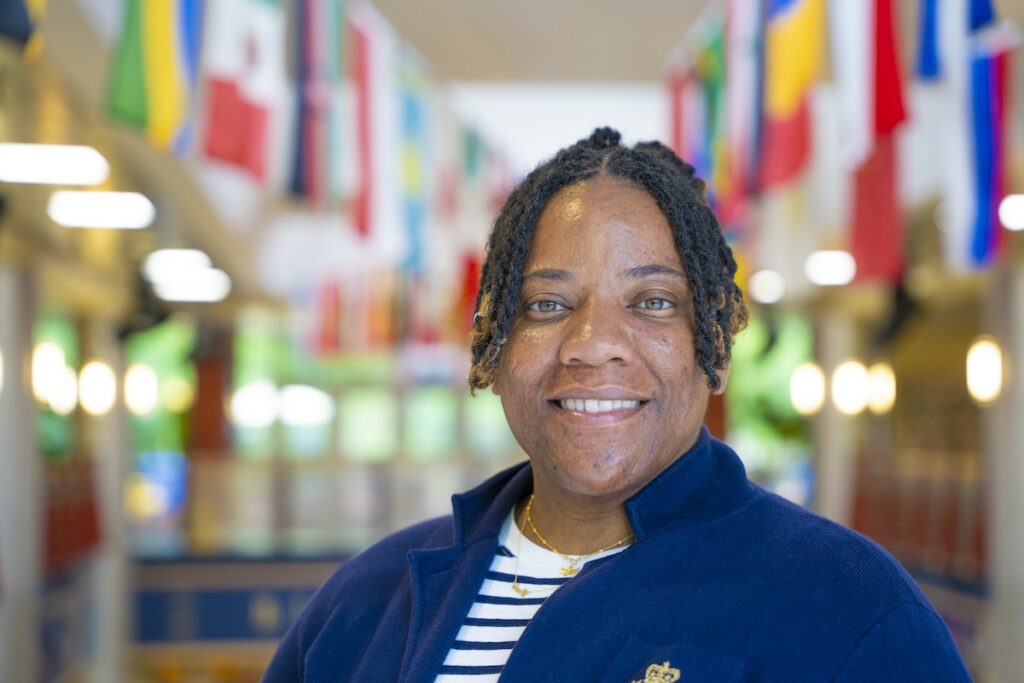
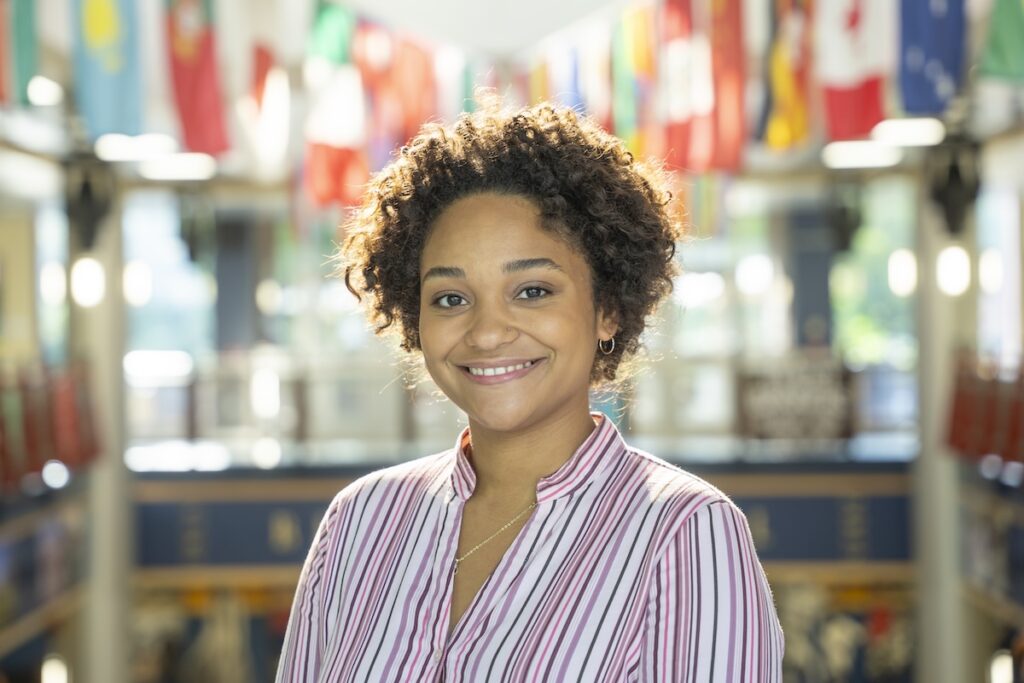
Meet the Life Design Team

Email: nbrown@allegheny.edu
Phone: 814-332-3332

Email: cweston@allegheny.edu
Phone: 814-332-2220

Why The Co-Curriculum Is Key To Student Success In The 21st Century?
How do we prepare students for purposeful lives? Heather Moore Roberson, dean of student and community development and associate professor of community, justice, and Black studies, shares insights in an op-ed for University Business, highlighting our new Life Design program.